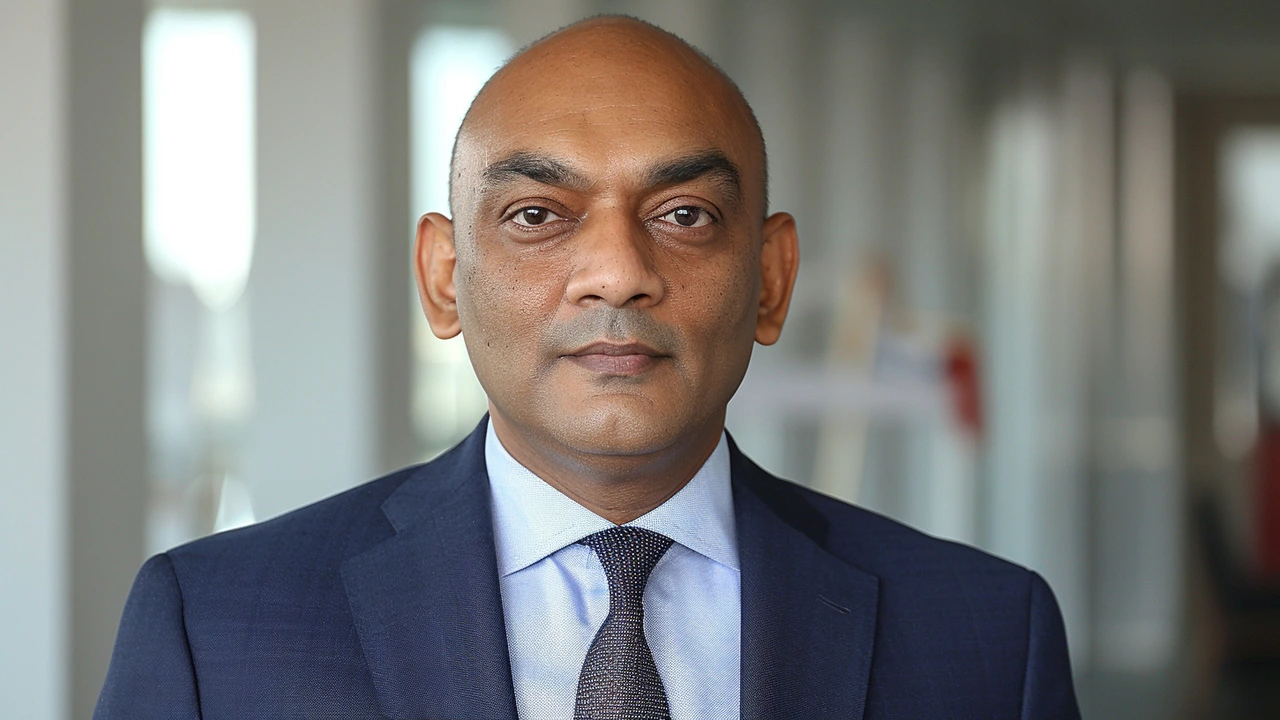
SME Finance in the MENA Region: How Sundip Patel Is Making a Difference

If you’ve ever wondered why small‑business funding matters beyond the numbers, Sundip Patel’s story is a great place to start. As CEO of AVANA Companies, he’s not just chasing profit; he’s building a model where finance fuels social good. In 2024, AVANA set its sights on the MENA region, targeting minority‑owned enterprises that often get left out of the traditional banking system.

Why SME Finance Matters

Small and medium‑size enterprises are the backbone of any economy. In the MENA countries, they employ a huge share of the workforce but face financing gaps that stifle growth. When a company like AVANA steps in with capital, the ripple effects are real: new jobs, higher local incomes, and a boost to regional stability. Patel’s approach is simple—give money to businesses that already have a social mission, and let that mission expand.

He’s also betting on data. AVANA tracks each loan’s impact on job creation, revenue growth, and community outcomes. That transparency builds trust with local partners and shows investors that the money is working. It’s not just a feel‑good story; it’s a measurable strategy that can be replicated across borders.

AVANA’s Socially Responsible Approach

AVANA started in 2002 with a focus on minority‑owned firms in the U.S., growing its assets to $1 billion. The secret? A set of clear values that guide every deal. Patel insists that every loan must meet two criteria: strong business fundamentals and a clear social benefit. That means the company looking for funding should already be doing something positive—like hiring locally, using sustainable practices, or supporting community projects.

When AVANA entered the MENA market, it partnered with local development agencies to understand the unique challenges there. They set up a regional office, hired staff who spoke Arabic and knew the cultural nuances, and adjusted their risk models to reflect local market conditions. The result? Within months, AVANA closed its first round of financing for a tech startup in Dubai that aims to provide low‑cost solar solutions to rural villages.

Patel often says the best investment is the one that pays you back in impact, not just dollars. He points to a recent case where a Moroccan textile company, after receiving an AVANA loan, expanded its workforce by 30 % and started a women‑empowerment program. That story not only showcases financial returns but also highlights how responsible lending can reshape societies.

For readers looking to learn from this model, the takeaways are clear: focus on businesses that already have a purpose, use data to prove impact, and adapt to local market realities. Whether you’re an investor, a small‑business owner, or just curious about how finance can drive change, Patel’s playbook offers a roadmap that’s both practical and inspiring.

So the next time you hear about big‑ticket investments, ask yourself – are they just chasing profit, or are they building a better future? In the case of AVANA’s MENA expansion, the answer leans heavily toward the latter.

Sundip Patel Spearheads SME Finance with AVANA's MENA Expansion: A Mission of Social Responsibility

Sundip Patel Spearheads SME Finance with AVANA's MENA Expansion: A Mission of Social Responsibility

Sundip Patel, CEO of AVANA Companies, is setting new benchmarks in SME finance with a socially responsible approach. Founded in 2002, AVANA has grown its assets to $1 billion by focusing on minority-owned enterprises. Now, Patel and his team are eyeing expansion in the MENA region.

Read more